


The Thing Most Chefs Were NEVER Taught About Pasta
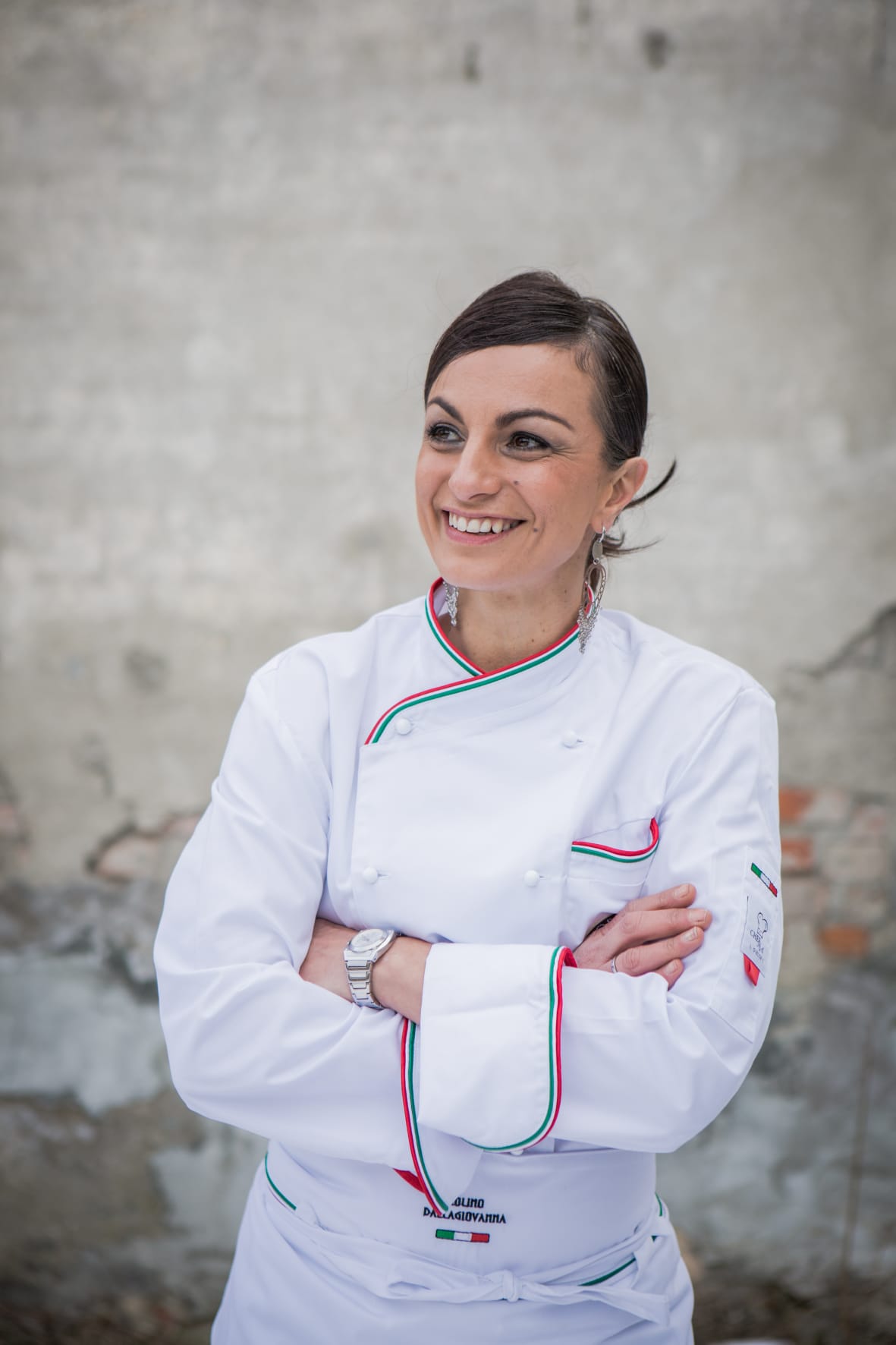

My grandmother said "never make gnocchi when your heart is sad — they'll sink and never come to the boil".
So every morning in my first restaurant I blasted Andrea Bocelli through the speakers, thirty kilos of gnocchi to get through before lunch service, the music leaking out through the windows onto the street. People knew what was coming.
At 19 I bought my first restaurant with my brother. Exciting, terrifying, formative. But 10 years in a professional kitchen taught me something my nonna and my mum couldn't: that passion alone isn't enough.
You also need understanding.
In those ten years, everything shifted. MasterChef happened. Low-carb happened. Suddenly every client was an expert, and pasta — the thing that is the heart of the table, the one dish no one questions -ever, the thing Italian nonnas ate every single day while somehow outliving almost everyone else on earth — became the villain.

I thought I knew pasta. Ten years in a professional kitchen, Calabrian blood, a mum who never measured anything. Turns out I was missing the most important part.
I grew up in a Calabrian family where pasta didn't just sit on the table — it organised the whole day around itself. In the south of Italy especially, cooking is rustic, instinctive, loud. Nothing like the delicate cooking of the North. I grew up on a farm where summers were for working and winters were when family dinners got slower and more purposeful. Everything revolved around food. I lived it, I breathed it, I loved it.
I couldn't just say "it's not bad for you...nonna said so" anymore.
I needed proof.
MY UNDERSTANDING CAME IN THE FORM OF CHEF WALTER.
I moved to Italy and watched his hands move through every dough, every cut, every shape with a precision I'd never seen. He didn't just teach me recipes. He taught me P a s t a - the greatest story i’d ever read — through time, through land, through history, through seasons.
He showed me why, both scientifically and philosophically, a simple dough of flour and water can be a perfect meal for body, mind, and soul.
He took my rustic dishes and gave them depth.
He took my rustic mind and organised it.
Everything fell into a clear reason. That is what pasta really is.
It's a story of time and place that has the power to make you feel ‘belonging’.
This is what most kitchens don't get.
HOW DID PASTA BECOME THE VILLAIN?
I've taught all over the world. I've travelled with people from dozens of countries, walks of life, kitchens, backgrounds. And the question that keeps coming up, in different languages and accents but always the same shape, is this:
How did something this beautiful get so badly butchered, and why did I ever believe the nonsense?
Part of it is the diet industry, obviously. Carbs became the enemy.
Glycemic index became the daily measure of how to live. We Westerners are very good at this — finding the new trend, believing it will solve everything, discarding anything that doesn't fit.
The Italian approach to food has never worked this way.
Food in Italy is not fuel. It is ritual. It takes time.
And that's not nostalgia — there are real scientific reasons behind what nonna did when she made pasta. She didn't know the biochemistry. She just knew that certain things made it taste better and sit better in the body. For her, that wasn't science. That was love.

Pasta on restaurant menus today doesn't show that love anymore. Too often it's a cheap filler, a crowd-pleaser, a box ticked. Spaghetti carbonara from north to south because the tourist will ask for it and the restaurant needs to keep people happy. I understand the pressure. But somewhere in all of that, we lost something — not just great dishes, but the whole point.
The good news? I think that's changing. The mind and body are craving the slow. People are hungry, genuinely hungry, for what their nonnas knew. Natural ingredients, seasonal cooking, food with a reason behind it. And there is no dish in the world that represents that better than fresh pasta.
EVERY PASTA SHAPE IS THE LAND ANSWERING A QUESTION
Italy is not one cuisine. It is twenty regions, twenty different histories, twenty different landscapes shaped by centuries of invasion, geography, and survival. To understand pasta is to understand this — that the dough itself was always the land's response to what was available.
In Calabria, where my family is from, we use only flour and water. Not any flour — hard wheat, semolina, grown on the hot plains of the south. The south is hot, and so the body craves cooling food. We don't want the rich, heavy egg pasta that makes perfect sense in the cold north.
We want something lighter, more alive. We were ruled by Spain for many years, which gave us the tomato — an ingredient you'll barely find in northern traditional cooking. Our pasta shapes are intricate and handmade: cavatelli, orecchiette, shapes that mothers and grandmothers rolled every morning on wooden boards.
In Sardinia they say a new bride must have a callused thumb — proof to her mother-in-law that she's ready for marriage, that she can make malloreddus properly. In Calabria, the traditional Sunday lunch is a handmade pasta — sciatelle or macaroni — tossed through pork bone ragù. Cucina povera at its most honest: the bones were pulled from the sauce, the pasta was eaten first, the bones came back as a second course. Nothing wasted. Everything loved.
When I moved to the mountains above Parma, to my village of Bedonia, I was genuinely shocked. Where were the tomato-based sauces? Where was everything I'd grown up assuming was simply Italian cooking? I was wrong, of course. Here, cow's milk is king.
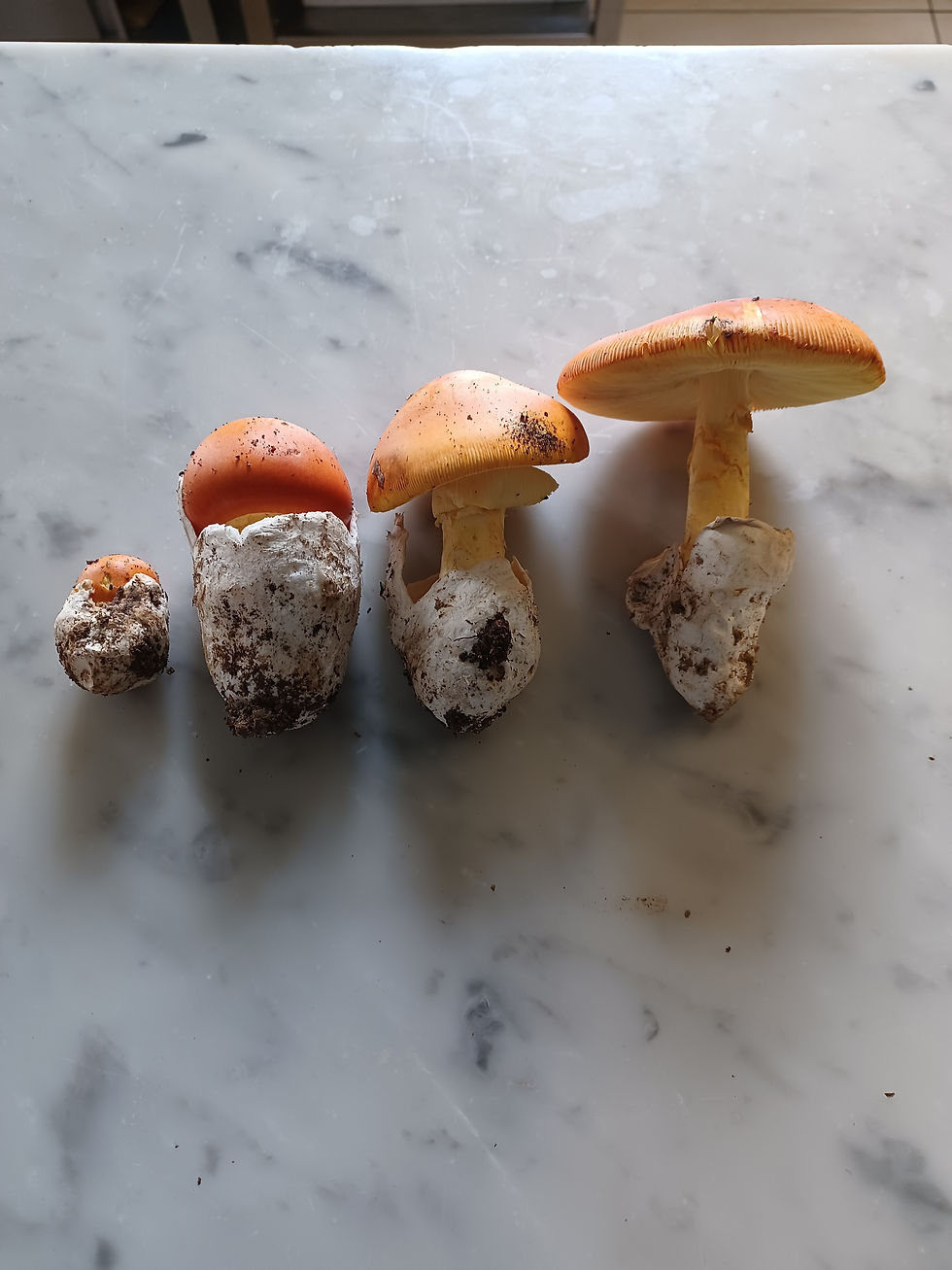
Butter replaces olive oil. Filled pastas come stuffed with fresh ricotta and foraged mountain herbs, mushrooms, truffles. The flour changes and so the egg is added — it balances the delicacy of sauces where the pasta itself is the star.

What a great read, I remember those early days in Griffith, your’ve always had the passion for food & always delivered delicious food, you use to come in early in the morning to make pasta & prep. Salami time with your family that’s one of my greatest memories & the lunch feast I’ ll never forget your Mum & sisters put together amazing food it’s in your DNA